
How To Choose Outdoor Structures That Withstand Harsh Winters
Harsh winter weather puts more pressure on backyard structures than ordinary seasonal use, especially when snow, freezing rain, strong wind, and repeated temperature changes arrive together. Choosing an outdoor pergola therefore involves more than appearance; roof construction, frame material, drainage, anchoring, and snow-load considerations all deserve attention. For homeowners comparing long-term options, SUNJOY offers outdoor living structures that can serve as a useful reference point for evaluating how design details affect cold-weather performance.
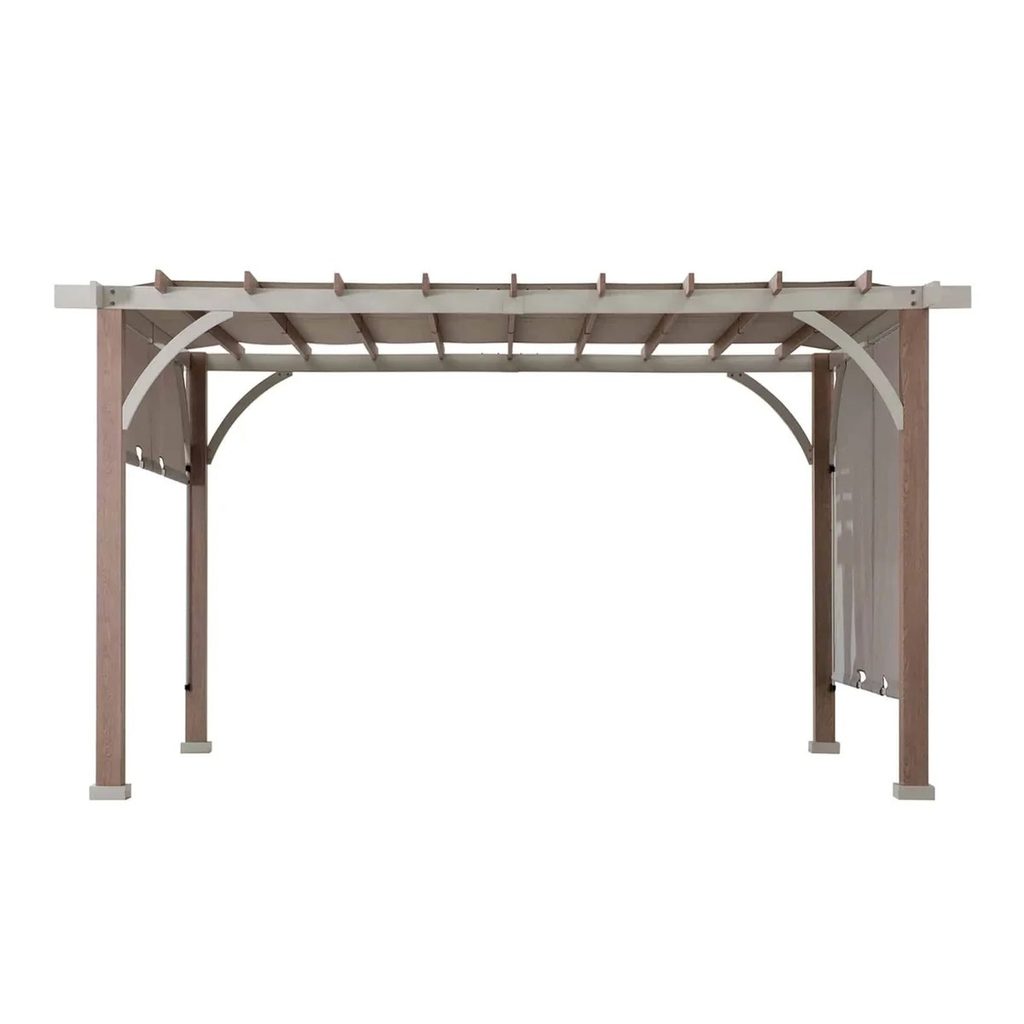
Assess The Structural Frame
Winter durability begins with the frame because accumulated snow creates sustained downward pressure while strong winds can introduce lateral forces. Steel and aluminum are commonly selected for their dimensional stability, although their performance depends heavily on thickness, connections, coatings, and overall engineering.
Wood has different advantages. Properly selected timber can provide substantial structural mass and a warm visual character, but moisture management becomes especially important during freezing conditions. Moisture that accumulates in cracks, joints, or other vulnerable areas can contribute to deterioration when repeated freezing and thawing occur.
Connections deserve the same attention as the primary material. Bolts, brackets, post bases, and roof attachments transfer loads throughout the structure, so weak connection points can undermine an otherwise sturdy frame. Homeowners should examine how the structure is anchored to its foundation rather than judging durability from the frame alone.
Examine Roof Design And Snow Management
Snow rarely behaves like a uniform layer. Wind can move accumulation toward one side, while wet snow becomes considerably heavier than freshly fallen powder. Roof pitch, panel arrangement, support spacing, and drainage paths all influence how precipitation interacts with the structure.
Roof geometry can help direct melting snow and rain away from occupied areas. Flat or shallow roofs may retain more accumulation, whereas sloped designs encourage water movement. Yet slope alone does not determine winter suitability; the supporting frame must also be rated for the expected environmental loads.
Roof material deserves careful evaluation as well. Metal panels, polycarbonate systems, and other coverings respond differently to impact, thermal expansion, and prolonged moisture exposure. A roof that performs well during summer heat may require different maintenance considerations once repeated freezing and thawing enter the picture.
Consider Seasonal Maintenance Needs
Winter preparation should start before the first major storm. Gutters and drainage channels need to remain free of leaves and debris so melting snow can move away efficiently. Blocked drainage can contribute to standing water around posts or foundations, increasing moisture exposure in those areas.
Surface inspection can reveal small problems before colder weather makes repairs more difficult. Peeling coatings, loose hardware, damaged roof panels, and deteriorated wood deserve attention during the autumn maintenance cycle. Tightening accessible fasteners and addressing visibly compromised components according to the manufacturer’s instructions can help maintain the structure’s condition.
Environmental exposure also varies by location. Coastal areas may face salt-laden moisture, mountain regions can receive substantial snow, while places with frequent freeze-thaw cycles experience repeated expansion and contraction. Local weather patterns should therefore influence both material selection and maintenance schedules.
Compare Different Outdoor Configurations
The term outdoor structures covers many forms, including pergolas, pavilions, gazebos, and covered patio systems. Their winter characteristics can differ considerably because each configuration distributes loads in its own way. Freestanding designs depend heavily on their own posts and foundation connections, while attached structures may interact with an existing building.
Roof coverage changes the maintenance equation as well. Fully covered structures generally provide greater protection from precipitation beneath the roof, but they can also collect more snow overhead. Open-roof designs allow precipitation to pass through yet provide less shelter during severe weather.
Climate should guide the decision rather than aesthetics alone. Homeowners in snowy regions may prioritize documented snow-load capacity, robust roof supports, and secure anchoring. Those in milder climates might place greater emphasis on drainage, corrosion resistance, and protection from occasional storms.
Match Design Details To Local Conditions
Winter readiness also depends on the surrounding site. Structures positioned beneath trees may receive additional falling branches and uneven snow accumulation, while exposed locations can experience stronger wind pressure. Ground conditions matter too, particularly where frost can affect soil stability.
Installation quality should remain part of the evaluation. Even well-designed Outdoor structures can perform poorly if posts are inadequately anchored or foundations do not suit local ground conditions. Manufacturer instructions, local building requirements, and site-specific conditions should therefore be reviewed together.
Conclusion
Choosing an outdoor structure for harsh winters requires a broader view than simply selecting a thick roof or heavy frame. Snow load, wind exposure, drainage, connections, foundation conditions, material behavior, and maintenance all contribute to long-term performance. The same principles apply when evaluating an outdoor pergola, particularly in regions that experience substantial seasonal weather changes. Careful comparison of specifications can help homeowners narrow down options without relying solely on appearance or marketing claims. With its range of outdoor living designs, SUNJOY provides another reference point for assessing how structural details translate into practical four-season use.