
Batteries for Two Wheeler Vehicles in Fleet Management: A Comprehensive Guide
The rapid expansion of urban delivery networks, shared mobility platforms, and commercial transportation services has increased the demand for dependable energy solutions. Fleet operators now require batteries that combine safety, efficiency, durability, and predictable performance under frequent daily use. Great Power has developed Li-ion Battery solutions that address these operational requirements by focusing on reliability and long service life.
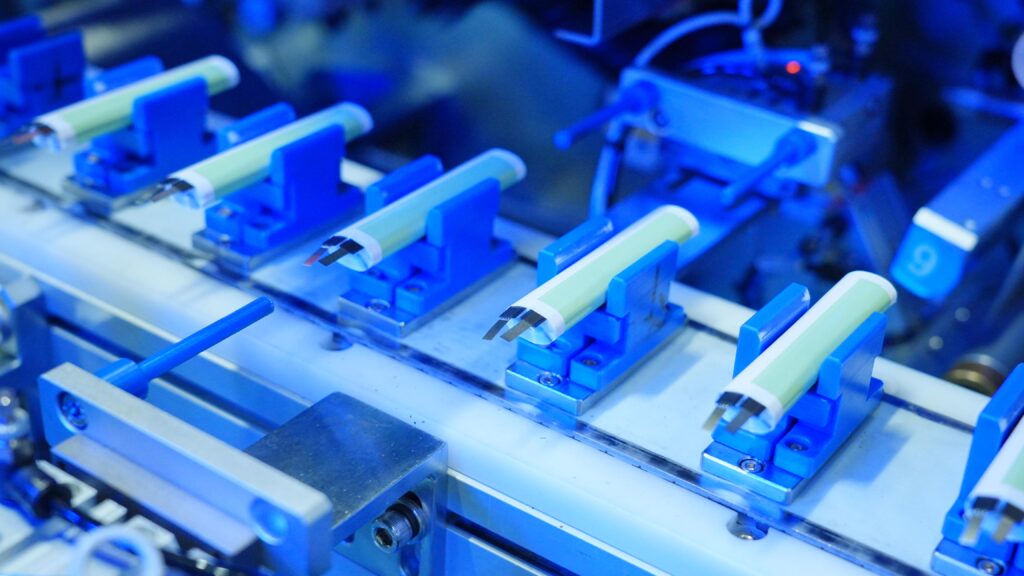
The choice of battery has a direct impact on the reliability and efficiency of electric two-wheelers, which are becoming increasingly prevalent in the logistics and passenger transportation industries. When transitioning from fuel-powered two-wheelers to electric fleets, operators should evaluate battery chemistry, charging infrastructure, route requirements, monitoring systems, and lifecycle cost.
Battery Requirements in Modern Fleet Operations
Fleet vehicles operate under conditions that are different from personal transportation. They often travel longer distances, experience repeated charging cycles, and need consistent performance throughout the working day. A two-wheeler fleet battery should meet the vehicle’s voltage, usable energy, discharge power, temperature, charging, enclosure, and duty-cycle requirements.
Great Power’s two-wheeler portfolio includes LFP, LMO, and NMC systems, and the chemistry should be selected according to cycle life, energy density, power demand, temperature, safety requirements, and cost targets. These features allow fleets to reduce replacement frequency and improve overall cost efficiency. Proper battery design also supports better energy management and helps vehicles perform reliably across different operating environments.
For businesses comparing electric mobility solutions, a battery pack for electric car represents a related example of how advanced battery engineering can support higher energy demands. Although two-wheelers require different configurations, both applications depend on optimized cell selection, intelligent control systems, and protection mechanisms.
Key Factors When Choosing Two Wheeler Fleet Batteries
Selecting the right battery for two wheeler vehicle operations requires evaluating several technical factors. Capacity, charging efficiency, cycle life, and environmental adaptability all influence whether a battery can meet fleet expectations. A suitable solution should balance energy availability with weight, size, and practical installation requirements.
Battery management systems play an essential role in monitoring voltage, temperature, and charging conditions. These systems help protect battery performance by identifying abnormal conditions and improving operational safety. For fleet operators, reliable monitoring can reduce maintenance challenges and provide greater confidence in daily vehicle deployment.
The solutions developed by Great Power incorporate safety-focused designs and battery management technologies to support demanding mobility applications. With attention to performance consistency, these systems are designed to help electric transportation providers maintain reliable service while managing intensive usage patterns.
How Battery Technology Supports Fleet Efficiency
Energy efficiency has become a major consideration for companies operating electric fleets. A high-quality battery can influence charging schedules, vehicle availability, and long-term operational planning. When batteries deliver predictable performance, fleet managers can organize routes more effectively and minimize unexpected downtime.
A battery pack for electric car demonstrates the growing importance of advanced lithium-ion technology in transportation. Similar principles apply to smaller electric mobility systems, where efficient energy storage enables longer operating periods and improved user experiences. As battery technologies continue evolving, manufacturers are focusing on improving energy density, safety features, and lifecycle performance.
Temperature adaptability is another important factor for commercial fleets. Vehicles may operate in changing climates and demanding environments, requiring batteries that maintain stable performance. Appropriate thermal management and material selection can help maintain battery performance under the fleet’s expected operating conditions.
Future Development of Electric Two Wheeler Battery Solutions
The future of fleet electrification will depend on continuous improvements in battery technology and system integration. Companies are increasingly looking for solutions that support sustainability goals while maintaining practical business performance. Advances in battery materials, manufacturing processes, and intelligent controls are expected to create more efficient transportation systems.
A battery for two wheeler vehicle fleets will continue to evolve as delivery services, urban mobility, and shared transportation expand globally. Longer lifespan, faster charging capabilities, and enhanced safety will remain important priorities for fleet operators seeking competitive advantages.
Battery manufacturers are also exploring ways to improve resource efficiency and create more sustainable energy storage solutions. As demand grows, reliable battery platforms will become an essential foundation for the transition toward cleaner transportation.
Operational Considerations for Fleet Battery Management
Beyond battery chemistry, fleet success depends on effective charging strategies and regular system evaluation. Operators should consider how vehicles are scheduled, where charging stations are located, and how energy consumption changes across different routes. A well-planned charging schedule can improve vehicle availability when charger capacity, charging windows, route schedules, and battery conditions are coordinated .
Data monitoring is becoming increasingly valuable in fleet environments. Information from battery systems can help identify usage patterns, optimize charging behavior, and support preventive maintenance decisions. These capabilities allow businesses to better understand energy performance and manage operational expenses over time.
The integration of intelligent battery technologies also creates opportunities for improved fleet scalability. As companies add more electric vehicles, consistent battery performance becomes increasingly important for maintaining service quality. Reliable energy systems enable organizations to expand their operations while keeping transportation solutions efficient and sustainable.
Manufacturing quality remains another critical element in battery reliability. Careful material selection, precise production processes, and strict safety testing contribute to stable performance throughout a battery’s operating life. These factors are especially important for commercial applications where vehicles may operate for many hours each day.
Fleet operators can also benefit from evaluating total lifecycle value instead of focusing only on initial investment. Battery durability, maintenance requirements, and energy efficiency all contribute to the long-term financial performance of electric transportation projects. A comprehensive evaluation helps businesses select solutions that align with operational goals and future expansion plans.
Conclusion
Electric fleet development requires careful consideration of battery quality, safety, and long-term value. Choosing the right energy storage technology allows operators to improve efficiency while supporting the wider movement toward sustainable mobility.
For fleet operators, Great Power represents an example of how specialized battery solutions can contribute to reliable electric transportation. The continued progress of lithium-ion technology will shape the next generation of mobility systems, providing businesses with more practical and resilient options for future growth. As fleet electrification continues advancing, dependable battery solutions will remain a key factor in building efficient and sustainable transportation networks.