
Detection of Monkeypox Virus with Real-Time PCR Assays: Key Considerations for Laboratories
Navigating respiratory and zoonotic threats requires robust molecular tools capable of delivering dependable clinical insights. Diagnostic facilities handling suspected infectious cases must evaluate assay parameters meticulously before standardizing protocols. Molecular testing platforms offer high specificity, yet selecting appropriate reagents dictates operational success. Establishing reliable surveillance workflows depends heavily on rigorous technical validation.
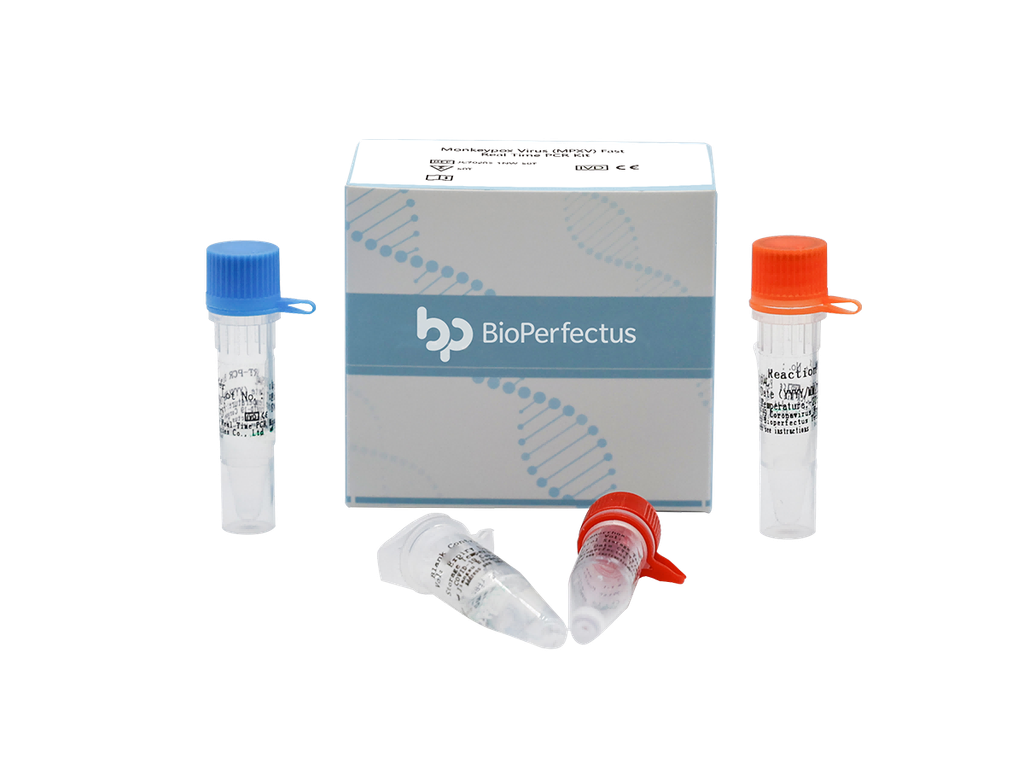
Pathogen Identification Through Advanced Molecular Chemistry
Pathogen identification relies on targeting conserved viral genetic regions using advanced molecular chemistry. Choosing a professional monkeypox test helps clinical laboratories streamline identification without sacrificing analytical depth.
Molecular specialists examine multi-gene targeting architectures to ensure reliable results across diverse patient populations. High-tier diagnostic reagents minimize false outcomes during urgent public health responses.
Operational demands compel laboratory directors to seek reliable commercial manufacturers offering comprehensive technical documentation. BioPerfectus provides advanced solutions engineered to support demanding clinical workloads efficiently.
Their commitment to stringent quality standards ensures consistent reagent performance across multiple batch runs. Modern diagnostic networks trust these validated systems for routine screening applications.
Evaluating Analytical Sensitivity and Target Specificity Parameters
Analytical sensitivity defines the capacity of molecular reagents to identify minimal viral loads during early infection stages. Low limits of detection prevent false-negative outcomes that could hinder containment efforts during epidemiological outbreaks.
Reagents featuring a limit of detection of 175 copies per milliliter provide exceptional analytical reliability. Achieving such precision relies on sophisticated hydrolysis probe technology operating within unified reaction tubes.
Target specificity ensures that dual-gene amplification configurations differentiate viral nucleic acids accurately without optical cross-talk. Reagent kits designed for the detection of monkeypox virus with real-time PCR assays incorporate robust internal control systems.
Monitoring internal process efficiency guarantees that extraction errors or PCR inhibition are identified immediately. Technicians review amplification curves with confidence when internal controls validate every individual reaction well.
Reagent storage requirements also influence daily laboratory logistics and inventory management stability. Maintaining components at negative twenty degrees Celsius preserves enzyme integrity throughout a twelve-month shelf-life.
Facilities purchasing kit packages containing twenty-five or fifty tests manage reagent turnover successfully. Careful inventory control prevents unexpected stock depletion during unexpected testing surges.
Managing Diverse Specimen Matrices in Routine Laboratory Workflows
Sample collection diversity remains a critical operational consideration for laboratories processing varied clinical presentations. Patients present with multiple manifestation types, requiring reagents compatible with extensive matrix collections.
Utilizing a versatile monkeypox test accommodates human tonsillar swabs and nasopharyngeal swabs seamlessly. Broad sample acceptance reduces specimen rejection rates across busy hospital departments.
Blood-related specimens and localized lesion materials demand robust lysis protocols to release viral DNA effectively. Serum and whole-blood testing require careful pre-analytical handling to prevent enzymatic inhibition during amplification steps.
Lesion exudate and scab specimens serve as primary diagnostic matrices for confirming cutaneous clinical manifestations. Laboratories managing complex caseloads benefit immensely from broad sample type compatibility.
Standardized sample input volumes minimize technical errors and protect operator ergonomics during high-volume processing shifts. Requiring a standard ten microliters of template input per reaction simplifies automated pipetting routines.
Incorporating validated extraction protocols ensures high nucleic acid recovery across all supported matrix types. Reliable sample preparation forms the bedrock of accurate molecular diagnostics.
Optimizing Turnaround Times Through Fast Amplification Procedures
Turnaround time metrics govern institutional decisions when emergency departments demand rapid results for patient triage. Traditional amplification protocols can introduce bottlenecks that delay clinical reporting during severe public health emergencies.
Implementing the Monkeypox Virus (MPXV) Fast Real-Time PCR Kit resolves timing constraints efficiently. Fast amplification procedures deliver qualitative results within thirty minutes on compatible real-time thermal cyclers.
Processing up to ninety-six samples simultaneously maximizes laboratory output during peak epidemiological surge windows. Accelerated workflows empower medical professionals to initiate isolation protocols and patient management promptly. Speed combined with analytical accuracy supports effective public health intervention strategies.
Technical support and robust quality management systems provided by BioPerfectus reinforce institutional confidence during accreditation audits. Laboratory personnel rely on comprehensive manufacturer guidance to troubleshoot operational challenges swiftly.
Reliable supply chain networks ensure continuous reagent availability for healthcare facilities worldwide. Strategic partnerships with experienced developers stabilize diagnostic operations under pressure.
Comprehensive diagnostic validation data ensures that the detection of monkeypox virus with real-time PCR assays meets international regulatory standards. Clinical laboratories must continually adapt to evolving epidemiological landscapes by adopting advanced molecular technologies.
Selecting high-performing reagents safeguards institutional reputation and protects community health outcomes effectively. Robust molecular platforms remain indispensable assets for modern microbiology departments.
Molecular diagnostics requires careful alignment between clinical requirements and reagent performance specifications. Modern laboratories equipped with reliable assays maintain operational resilience against emerging zoonotic threats.
Continued investment in validated technology secures dependable diagnostic outcomes for healthcare networks globally. BioPerfectus delivers the analytical precision required to navigate complex infectious disease challenges.
Future pathogen surveillance depends upon rigorous testing protocols and uncompromised analytical execution. Implementing an advanced monkeypox test completes the operational framework necessary for effective epidemiological tracking.
Facilities committed to quality assurance protect public health standards across all operational phases. Strategic molecular investments ensure long-term diagnostic readiness and clinical excellence.
Accurate molecular workflows reinforce trust between diagnostic laboratories and attending clinical care providers. Continuous evaluation of analytical parameters guarantees sustained performance during peak viral seasons.The ongoing evolution of the detection of monkeypox virus with real-time PCR assays drives modern microbiology forward. Robust testing strategies remain vital for global health security.