
Do Wooden Gazebo Posts Need to Be Buried in the Ground or Surface-Mounted with Steel Anchor Plates?
A wood gazebo can turn an ordinary backyard into a comfortable outdoor retreat, providing a welcoming space for dining, relaxing, and entertaining. However, before installing a new structure, homeowners often face an important question: do wooden gazebo posts need to be buried in the ground, or can they be surface-mounted with steel anchor plates? The answer depends on the gazebo’s design, the ground conditions, local building requirements, and the manufacturer’s installation instructions.
For homeowners exploring a wood gazebo or comparing wooden gazebo kits, understanding these two mounting methods is essential for creating a stable, long-lasting outdoor space.
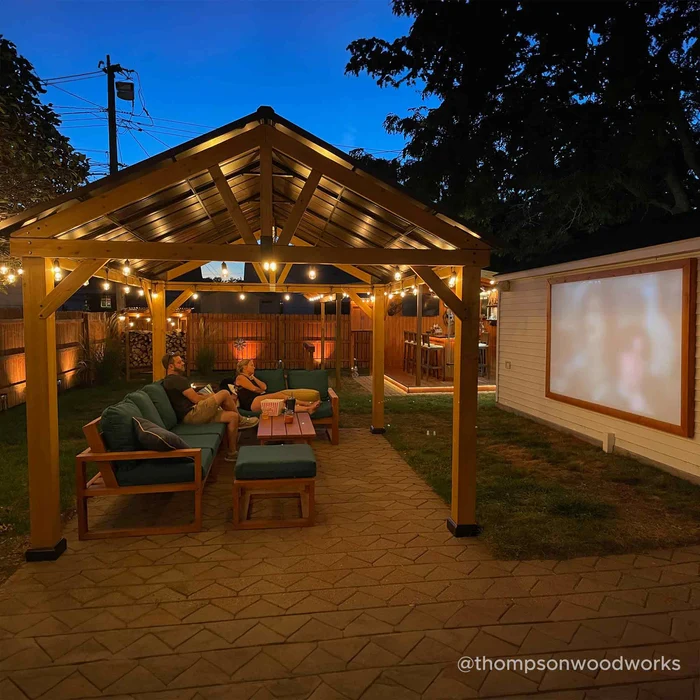
Burying Wooden Gazebo Posts in the Ground
One traditional installation method involves placing wooden posts into holes in the ground and securing them with concrete or another approved foundation system. This approach can provide substantial support when properly designed, making it suitable for certain permanent outdoor structures.
However, burying wood posts also introduces potential maintenance concerns. Even naturally durable wood can deteriorate when exposed to prolonged moisture, soil contact, and changing weather conditions. Water accumulation around the post base can accelerate decay, while improper drainage may weaken the surrounding foundation over time.
If you are considering this method, check whether the posts are specifically designed and treated for ground contact. The depth, footing dimensions, drainage, and frost protection should also match local conditions and applicable building requirements. Simply digging a hole and inserting a post does not guarantee a secure installation.
Surface-Mounting Posts with Steel Anchor Plates
Surface mounting offers another approach, particularly for gazebos installed on existing concrete patios or properly engineered foundations. In this setup, steel anchor plates or post bases connect the wooden posts to the supporting surface using suitable structural fasteners.
One advantage is that the wooden posts can remain above the ground, reducing direct contact with soil and standing water. This can help protect the wood from moisture-related deterioration and make the post bases easier to inspect during routine maintenance.
Nevertheless, surface-mounted posts are only as reliable as their anchors and supporting foundation. A concrete slab designed for ordinary patio use may not be sufficient to support a gazebo’s structural loads. The foundation, anchor type, embedment, and edge distances must be appropriate for the structure, including wind uplift and lateral forces.
Which Mounting Method Is Better for a Wood Gazebo?
Neither method is universally better. The right choice depends on the specific gazebo and where it will be installed.
For a gazebo on an existing concrete patio, surface-mounting may be a practical option when the slab and anchor system are suitable for the expected loads. It can simplify installation while keeping the wooden posts away from direct soil contact.
For a gazebo installed over bare ground, a properly designed concrete footing or another approved foundation may be necessary. Some structures use embedded posts, while others rely on separate footings and above-ground post bases. The appropriate configuration depends on the manufacturer’s specifications and local site conditions.
Homeowners should also consider wind exposure, soil stability, frost depth, drainage, and local permitting requirements. In areas with strong winds or freezing winters, foundation design becomes particularly important. When structural requirements are uncertain, consult a qualified professional before installation.
What Should You Check Before Installing Wooden Gazebo Kits?
When choosing wooden gazebo kits, pay close attention to the included anchoring hardware and the installation requirements. Not every wood gazebo uses the same foundation system, and assumptions based on another model can lead to installation problems.
For example, SUNJOY’s cedar gazebo designs feature sturdy wooden support posts, with certain models including covered anchoring plates and ground stakes. The appropriate anchoring method depends on the installation surface. For a concrete installation, the manufacturer may specify suitable expansion anchors, while a lawn or wood deck installation may require a different approach. Always follow the instructions for your exact model and verify that the supporting surface can handle the required loads.
Before assembly, confirm that the ground is level, check for underground utilities before digging, and ensure that water drains away from the post bases. If installing on a deck, verify that its framing can support the gazebo and resist uplift forces. Pavers or loose paving stones should not automatically be treated as a suitable structural foundation.
How Can You Keep Wooden Gazebo Posts in Good Condition?
Regardless of the mounting method, regular maintenance helps extend the life of a wood gazebo. Inspect exposed post bases, fasteners, and connections for corrosion, looseness, cracks, or signs of moisture damage. Keep surrounding soil and vegetation from trapping water against the wood, and maintain protective finishes according to the manufacturer’s recommendations.
For surface-mounted posts, periodically check that the anchors remain secure and that the concrete or deck shows no signs of movement or deterioration. For embedded posts, pay particular attention to drainage and any visible evidence of rot near ground level.
Choose the Right Foundation for Your SUNJOY Wood Gazebo
So, do wooden gazebo posts need to be buried? Not necessarily. Both embedded posts and surface-mounted post bases can be appropriate when they are part of a properly designed installation. The key is to match the foundation and anchoring system to the gazebo, installation surface, and local environmental conditions.
SUNJOY offers a range of cedar wood gazebo designs for patios and backyards, making it easier to explore different sizes and styles for your outdoor living space. Before choosing a model, review its product specifications and assembly instructions to understand the required foundation and anchoring hardware.
With the right preparation and installation method, your wood gazebo can provide a comfortable, attractive outdoor setting while maintaining the structural support needed for everyday enjoyment.